
Quick Answer
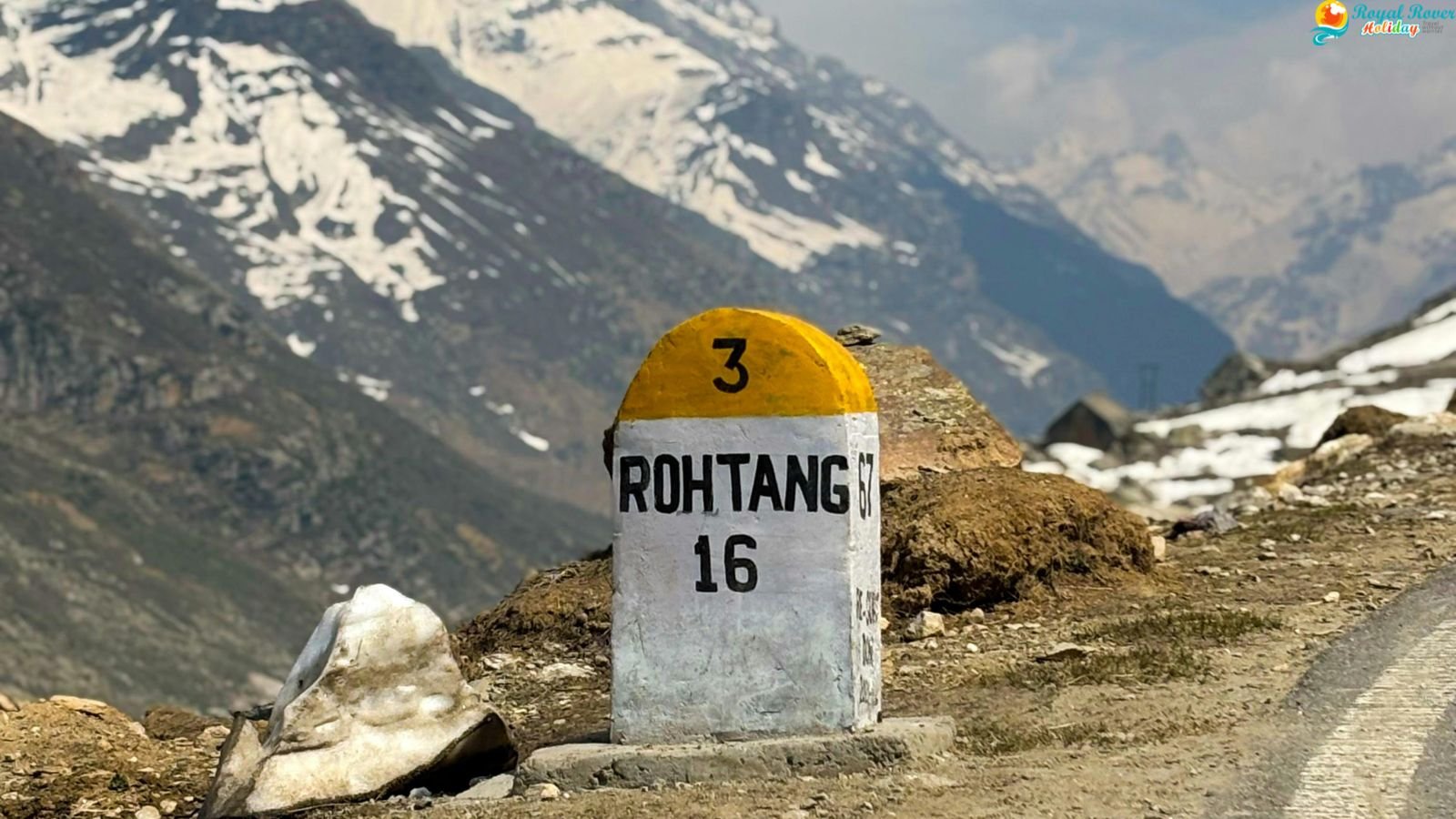
Rohtang Pass and the Atal Tunnel are two different places and two different days out. Rohtang sits at 3,978 m, needs a Rs 550 permit, runs on a daily cap of 1,200 vehicles, closes on Tuesdays and is open only from roughly mid-May to late autumn. The Atal Tunnel sits at about 3,100 m, needs no permit, costs nothing and is open all year.
Most packages that advertise “Rohtang Pass” are really promising a snow point, which in practice means Gulaba, Marhi or Solang. That is not necessarily dishonest, but you should know which one you have paid for before you arrive.
This is the most common disappointment we deal with in Manali, and it is almost always avoidable. A family books a package listing “Rohtang Pass / Snow Point”, arrives expecting Rohtang, and ends up at Solang Valley with a cab driver explaining that permits were unavailable.
Nobody has necessarily lied to them. The itinerary said snow point. But nobody explained the permit system either, and the gap between what was written and what was understood is where the bad review comes from. Here is the whole picture, so you can read any Manali itinerary properly before you pay for it.
They are not the same place
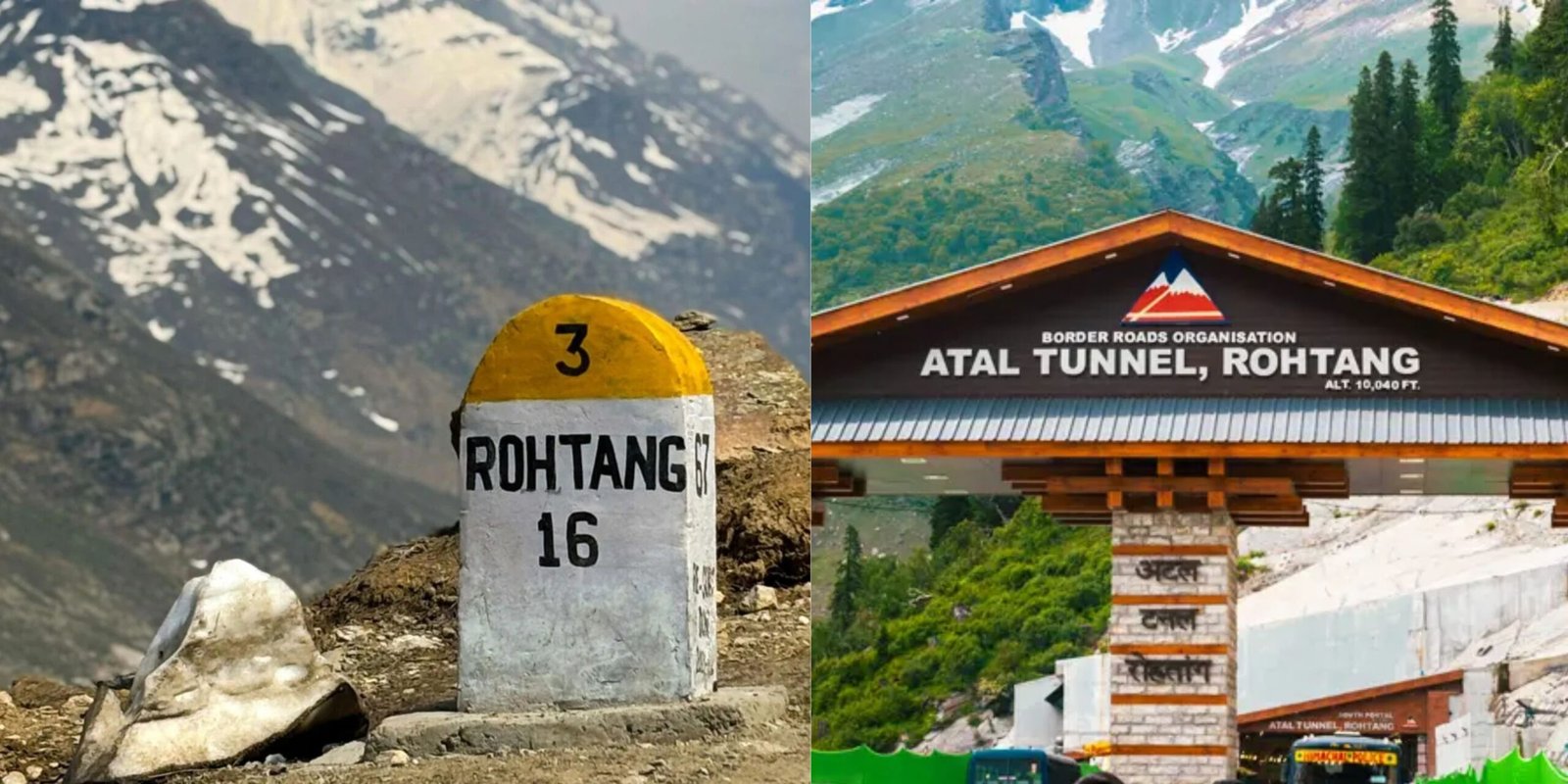
The Atal Tunnel runs underneath Rohtang Pass. Going through the tunnel means you have avoided Rohtang entirely, not visited it.
| Rohtang Pass | Atal Tunnel | |
| Altitude | 3,978 m | About 3,100 m |
| Distance from Manali | About 51 km | South portal about 25 km |
| Permit needed | Yes, Rs 550 | No permit, no fee |
| Daily vehicle cap | 1,200 tourism permits | None |
| Open | Roughly mid-May to late autumn | All year |
| Closed weekly | Tuesdays, for maintenance | No |
| Time from Manali | Half to full day | About an hour to Sissu |
The tunnel is a genuine piece of engineering rather than a consolation prize. According to the Border Roads Organisation, which built it, it runs 9.02 km and is the longest highway tunnel above 10,000 feet anywhere in the world. It opened in October 2020. Crossing it takes about fifteen minutes; the drive over Rohtang that it replaced took four to six hours.
Why your package probably cannot promise Rohtang
Rohtang is not a place an operator can simply add to an itinerary. Access is controlled, and the controls are tight.
- A hard daily cap. The National Green Tribunal limits tourism permits to 1,200 vehicles per day, split as 800 petrol and 400 diesel. In peak season that allocation can be gone within minutes of the booking window opening.
- A much smaller private-car quota. If you are driving your own white-plate car rather than taking a taxi, you fall under a separate special permit with roughly 100 vehicles a day, around 60 petrol and 40 diesel. That is the quota most self-drive visitors do not know exists.
- Tuesdays are closed. No permits are issued. If your Manali sightseeing day lands on a Tuesday, Rohtang is off the table regardless of anything else.
- Vehicle age limits. Vehicles older than ten years are rejected by the system, and the portal checks the registration and pollution certificate automatically.
- A weekly limit per vehicle. A single vehicle can take only a few Rohtang permits in a week, which constrains taxi operators running repeat trips.
- A short season. The pass opens once the Border Roads Organisation has cleared snow, typically mid-May, and closes again with the first serious snowfall. In 2026 it opened on 17 May.
Put those together and you can see why no honest operator writes “Rohtang Pass guaranteed” on a brochure. What we write instead is that Rohtang is subject to permit availability, and that Solang or Sissu is the alternative. That sentence is less exciting and considerably more accurate.
What “Snow Point” actually means
If your itinerary says “Rohtang Pass / Snow Point”, the second half is the operative part. Snow point is an industry term meaning whichever accessible place currently has snow. Depending on the month and the permit situation, that is usually Gulaba, Marhi or Solang Valley.
For most travellers this is genuinely fine. Solang in winter has as much snow as anyone needs, plus a ropeway, and it is twenty minutes from town instead of a four-hour round trip. The problem is only ever the expectation gap. If you specifically want to stand on Rohtang Pass itself, that needs to be agreed and booked in advance, in writing, before you pay a balance.
What the Atal Tunnel gives you instead
Going through the tunnel opens up Lahaul, which until 2020 was cut off for five to six months of the year. Sissu, just beyond the north portal, has a waterfall, a lake and open valley views, and you can be there in about an hour from Manali.
In practical terms the tunnel beats Rohtang for most visitors. There is no permit lottery, no Tuesday closure, no season, no quota and no cost. It is also considerably easier on anyone who struggles with altitude or winding roads, which matters if you are travelling with young children or older parents.
What the tunnel does not give you is the thing some people specifically want: the experience of driving a high Himalayan pass. If that is the point of the trip, Rohtang is the only option and you should plan the whole itinerary around getting the permit.
Which one should you choose?
| If you are… | Choose | Because |
| Travelling with young children | Atal Tunnel and Sissu | Lower altitude, shorter day, no permit risk |
| Chasing snow in winter | Solang, or the tunnel | Rohtang is shut; Solang has snow and a ropeway |
| Visiting May to October, want the pass itself | Rohtang | It is the only time it is possible at all |
| Driving your own car | Atal Tunnel | The private-car Rohtang quota is tiny |
| On a tight two-day Manali stay | Atal Tunnel | Rohtang can eat an entire day |
| Continuing to Lahaul, Spiti or Leh | Atal Tunnel | Faster, open year-round, Rs 50 permit only |
The costs, plainly
| What | Cost | Notes |
| Rohtang tourism permit, car or bike | Rs 550 | Rs 500 permit plus Rs 50 congestion charge |
| Rohtang permit, bus or heavy vehicle | Rs 600 | Rs 500 plus Rs 100 congestion |
| Beyond Rohtang permit | Rs 50 | For Lahaul, Spiti or Leh; no daily cap |
| Atal Tunnel | Free | No permit, no toll |
| HP vehicle entry toll | From Rs 50 per day | Non-HP vehicles, collected at the border |
Permits are booked online through the official Himachal government portal at rohtangpermits.hp.gov.in, with the daily quota released in two windows. Almost no package includes the permit fee in the headline price, so treat it as an extra unless your voucher says otherwise. Our Rohtang permit guide walks through the booking process step by step.
How to read a Manali itinerary properly
- Look for the word “subject to”. If Rohtang appears without any qualifier, the operator is either very confident or not being careful.
- Check which day the excursion falls on. A Tuesday means Solang, whatever the brochure says.
- Check the month. Rohtang in January is not a thing, no matter how it is written.
- Ask who pays the permit fee, and get the answer in writing.
- Ask what happens if the permit does not come through, and whether you are refunded the difference.
Our own Shimla Manali itineraries list Solang and the Atal Tunnel as the standard Manali excursion and treat Rohtang as an add-on we apply for separately, because that is the only version we can actually deliver. The Chandigarh 5N/6D package and the Delhi version both work this way, and the honeymoon itinerary leans towards Sissu precisely because a quiet valley suits that trip better than a crowded pass.
Frequently Asked Questions
Is Rohtang Pass included in a Manali tour package?
Usually not as a guarantee. Most packages list “Rohtang Pass or snow point”, which in practice means Gulaba, Marhi or Solang. A genuine Rohtang visit needs a permit booked against a specific vehicle on a specific date, and the permit fee is normally excluded from the package price.
Do I need a permit for the Atal Tunnel?
No. The tunnel is free to use and open all year with no permit and no toll. You only need a permit if you continue past Rohtang towards Lahaul, Spiti or Leh, which is a separate Rs 50 charge with no daily cap.
How much is the Rohtang Pass permit in 2026?
Rs 550 for a car, jeep, MUV or motorbike, made up of a Rs 500 permit fee and a Rs 50 congestion charge. Buses and heavy vehicles pay Rs 600. Always confirm current rates on the official portal, since fees and quotas are revised.
Can I visit Rohtang Pass in December or January?
No. The pass is closed by snow through winter and reopens once the Border Roads Organisation clears it, usually around mid-May. Winter visitors get their snow at Solang or through the Atal Tunnel at Sissu, both of which are open and genuinely snowy.
Is Atal Tunnel worth visiting if I have already seen Rohtang?
Yes, because they lead to different places. Rohtang is the pass itself; the tunnel takes you into the Lahaul valley, which looks nothing like Kullu. Sissu in particular is worth the hour.
Why do taxi drivers push Solang instead of Rohtang?
Often for a legitimate reason: no permit, or a Tuesday, or a closed pass. Occasionally because Solang is a shorter and more profitable run. Knowing the permit rules is what lets you tell the two apart, which is the entire purpose of this article.
The short version
Rohtang Pass is seasonal, permit-controlled and capped at 1,200 vehicles a day. The Atal Tunnel is free, open all year and easier on everyone in the car. Neither is a substitute for the other, and a package that blurs them is not giving you enough information to plan with.
Before you pay a balance on any Manali itinerary, get the answer to one question in writing: what exactly happens on the snow day, and what is the fallback. Any operator worth booking will answer it in a sentence.
ASK US THE AWKWARD QUESTION
We will tell you plainly whether Rohtang is realistic on your dates, and we will say so when it is not rather than writing it on an itinerary and hoping.
Or send us your travel dates and we will check permit feasibility before you book anything.

How to Plan a Himachal Pradesh Trip – Best Time, Days Needed, Top Places and What a Full Package Covers
Quick Answer Himachal is not one destination. It is four separate circuits that do not connect neatly, and choosing the wrong combination is how people
Hidden Cafes and Local Hangouts – Where Locals Actually Go in Manali & Kasol
Quick Answer Old Manali and Kasol are full of cafes built for Instagram, but the ones locals actually return to are quieter and often unmarked

Local Festivals of Himachal Pradesh – When to Visit for a Cultural Experience
Quick Answer Himachal Pradesh’s festival calendar runs almost year-round, with the biggest cultural draws being Kullu Dussehra (October), Losar in Lahaul-Spiti (January-February), Mandi Shivratri (February),