
Quick Answer
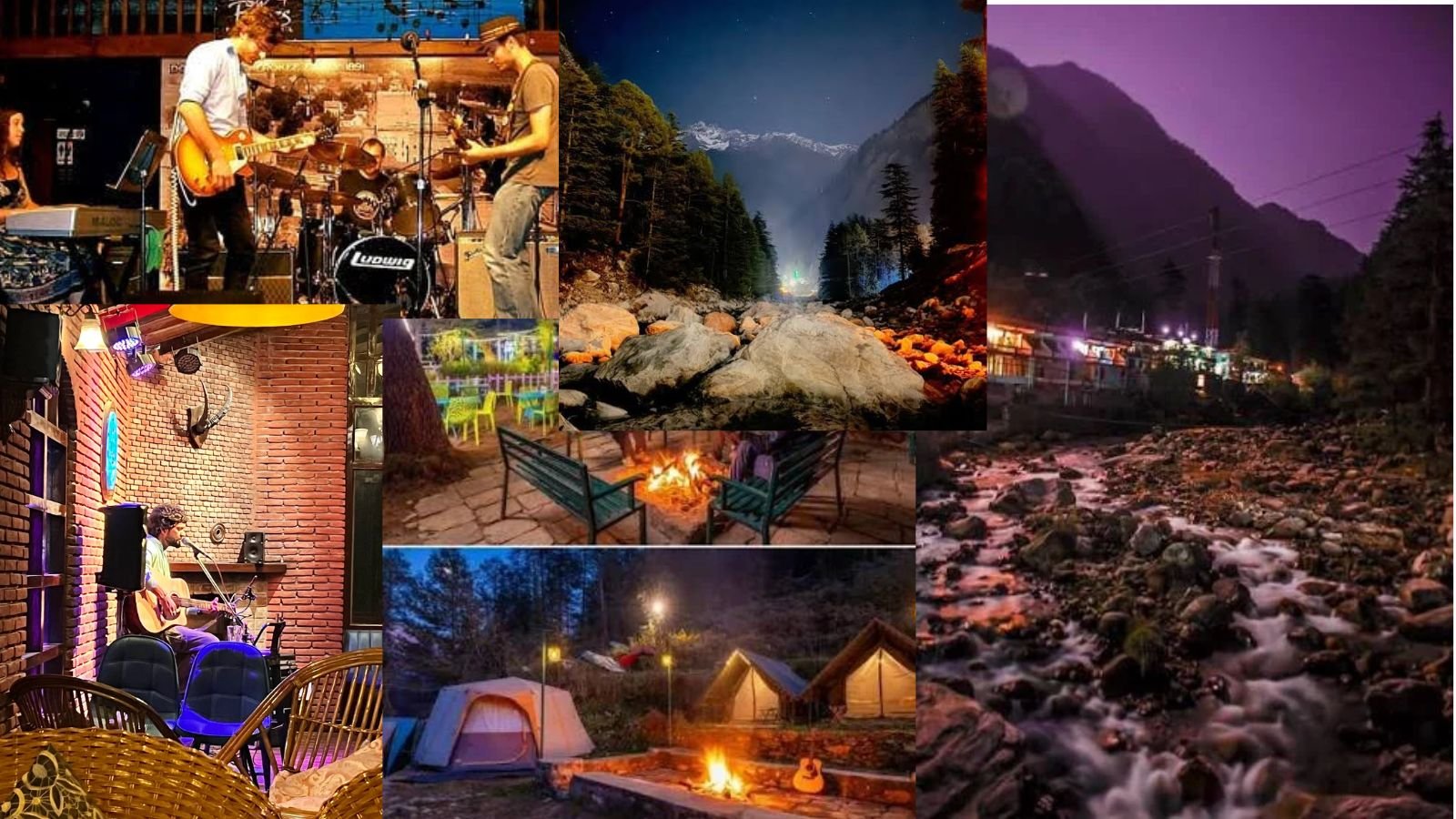
Kasol nightlife is relaxed, not wild: live acoustic sets, open-mic nights, bonfires and Israeli cafes, with most places closing by 10:30–11 pm. There are no nightclubs. March to June is the liveliest season, and September to November is quieter. Stay on lit paths after dark and avoid drugs, which are illegal and often checked by police
Introduction
Search for Kasol and you will find two very different stories. One is all photos: fairy lights, hammocks and a river that never goes quiet. The other is a set of rumours about wild parties. The reality is gentler. Kasol sits at roughly 1,640 m beside the Parvati River in Himachal’s Kullu district, and its evenings are built around food, music and conversation.
This guide explains what Kasol nightlife is actually like, how the Israeli cafe scene came about, what the wider Parvati Valley culture adds, and how to stay safe after dark. If you would rather have the logistics handled, our Kasol tour packages cover transfers, stays and meals.
What Kasol Nightlife Actually Looks Like
If you are expecting Goa, adjust now. Kasol is a small riverside market with cafes, guesthouses and camps, and nights here are quiet by city standards. That is the point for most people who come.
| What you will find | What you will not find |
|---|---|
| Cafes with live acoustic and guitar nights | Nightclubs or DJ discos |
| Bonfire dinners at riverside camps | Bars that stay open into the early hours |
| Open-mic and jam sessions, mostly in peak season | A big organised party scene |
| Slow evenings of food, chai and conversation | Late-night transport once the market shuts |
Israeli Cafes in Kasol: The Story and What to Order
How the Israeli connection began
Israeli backpackers began arriving in the Parvati Valley in the 1990s, many of them travelling after finishing military service. Some stayed, ran guesthouses and opened cafes. That is why you will spot Hebrew signs and menus in the main market, and why locals half-jokingly call the town “Mini Israel”. Today the cafes are the heart of Kasol nightlife, and plenty of Indian owners now run them too.
What to order
Start with shakshuka, eggs poached in a spiced tomato sauce, or a plate of hummus with warm pita. Falafel and Israeli-style breakfast platters are standard. Kasol cafes also serve Tibetan momos, Himachali sidu (steamed bread) and fresh river trout, so there is plenty for people who do not want Middle Eastern food every night.
Cafes people mention most
Moon Dance Cafe, Evergreen Cafe and Jim Morrison Cafe come up often in traveller conversations. Small cafes change owners, menus and seasonal hours quickly, so treat any list as a starting point and see what is open when you arrive. For quieter spots, read our guide to hidden cafes and local hangouts in Manali and Kasol.
EXPERT TIP
Arrive between 6 and 7 pm to get a riverside table before the evening crowd. Carry some cash too. Most cafes accept UPI, but mobile data in the valley can drop without warning.
Live Music, Bonfires and a Simple Evening Plan
You do not need to plan much. Wandering is half the fun. Still, this is how a good evening usually flows.
| Time | What to do |
|---|---|
| 5:30 pm | Walk the Parvati riverbank as the light drops. |
| 7:00 pm | Dinner at a cafe. Pick Israeli one night, Himachali the next. |
| 8:30 pm | Catch a live acoustic set or an open-mic session. |
| 10:00 pm | Bonfire at your camp or guesthouse, if your stay offers one. |
| 10:30–11 pm | Most cafes close. Walk back with a torch, in a group if you can. |
Where the music happens
Live Kasol cafes cluster in the main market and along the trail toward Chalal. The busiest schedule runs from March to June, with a quieter second run in autumn. In the off-season it can be one guitarist and a handful of travellers, which some people prefer.
Beyond the Cafes: Parvati Valley Culture
Manikaran: hot springs and a community kitchen
About 4 km from Kasol, Manikaran is a pilgrimage stop sacred to both Sikhs and Hindus. The gurudwara is known for its natural hot springs and a langar where rice is cooked in steam from the ground. Cover your head, remove your shoes and go in the daytime. It gives the trip a very different feel from the cafe strip.
Chalal and Tosh: village Himachal
Chalal is a short forest walk across the river from Kasol, quieter and full of wood-and-stone houses. Tosh is farther up the valley. The drive from Kasol to Tosh takes roughly 1 to 1.5 hours depending on the road, and the village feels cooler, slower and much closer to everyday pahadi life.
Malana and local customs
Malana has its own customs and governing traditions, and visitors are asked not to touch walls, people or sacred places. If you plan to visit, go with a local guide and follow whatever signs and instructions you are given.
Best Time to Visit Kasol for Nightlife
| Season | Months | What it feels like | Nightlife |
|---|---|---|---|
| Spring to early summer | March–June | Pleasant days, cool nights, river high with snowmelt. | Busiest. Most live music. |
| Monsoon | July–August | Heavy rain and landslide risk on the road in. | Quiet. Some cafes cut back. |
| Autumn | September–November | Clear skies and crisp evenings. | Good music, smaller crowds. |
| Winter | December–February | Cold, with snow on higher ground and nights near freezing. | Cosy bonfires, fewer places open. |
Kasol in winter is a different trip altogether. If you like quiet, warm cafes and cold clear nights, you will enjoy it. If you want a lively scene, choose spring or autumn.
Staying Safe in Kasol After Dark
- Know the law. Cannabis resin and other narcotics are illegal in India under the NDPS Act, and police checks in the valley are common. Do not buy anything from strangers, however friendly they seem.
- Solo and women travellers. Many solo visitors find Kasol comfortable, but stay on the lit main market after dark, tell your guesthouse where you are going and skip forest trails at night.
- Respect the river. The Parvati is cold and fast. Do not swim in it, and keep a safe distance on the banks after drinking.
- Carry cash and go offline. ATMs in the valley are few and sometimes empty, and mobile signal is patchy. Download offline maps before you arrive.
- Avoid night driving in the monsoon. The road between Bhuntar and Kasol is narrow, and landslides are not rare in July and August.
Planning Your Kasol Trip
Kasol is roughly 520 km from Delhi, and the overnight journey to Bhuntar and on to Kasol takes around 12 to 14 hours by road. Manali is about 80 km away, close to three hours by car, so many travellers combine the two. If you are building a longer route, our guide on how to plan a Himachal Pradesh trip explains how the circuits fit together.
Three nights is enough for Kasol, Chalal and Manikaran. Add one or two more if you want Tosh or a longer trek such as Kheerganga.
WANT THE PLANNING TAKEN CARE OF?
Our Kasol tour packages include transfers, stays and meals, and we can add Manikaran, Tosh or a Manali leg. Tell us your dates and group size through the contact page and we will suggest a plan that fits your budget.
Frequently Asked Questions
Is there nightlife in Kasol?
Yes, but it is relaxed. You will find live acoustic music, open-mic nights, bonfires and late dinners in cafes. There are no nightclubs, and most places close around 10:30 to 11 pm.
Are there Israeli cafes in Kasol?
Yes. Several cafes in the main market serve Israeli dishes such as shakshuka, hummus, falafel and pita. The menus often come in English and Hebrew.
Is Kasol safe for tourists at night?
Most visitors find it comfortable, especially around the main market. Stay on lit paths, avoid forest trails after dark, do not swim in the river and stay away from drugs, which are illegal and often checked by police.
What is the best time to visit Kasol?
March to June and September to November are the best months. Spring and early summer bring the liveliest evenings, autumn brings clearer skies and smaller crowds, and monsoon is the weakest season because of landslides.
How many days do you need in Kasol?
Three nights cover Kasol, Chalal and Manikaran at an easy pace. Plan four or five if you want to add Tosh or a trek.
Can I book a Kasol tour package from Delhi?
Yes. A typical package bundles transfers, accommodation and meals, and can be extended with Manali. Check the inclusions on the Kasol tour packages page or ask our team to build one around your dates.
Conclusion
Kasol is best enjoyed slowly. Come for the riverside cafes, the acoustic sets and a plate of shakshuka, then stay for Manikaran’s hot springs and the quiet villages higher up the valley. Respect the rules, keep your plans loose and choose your season on purpose. If you want help turning that into a trip, tell us when you are travelling and we will take it from there.
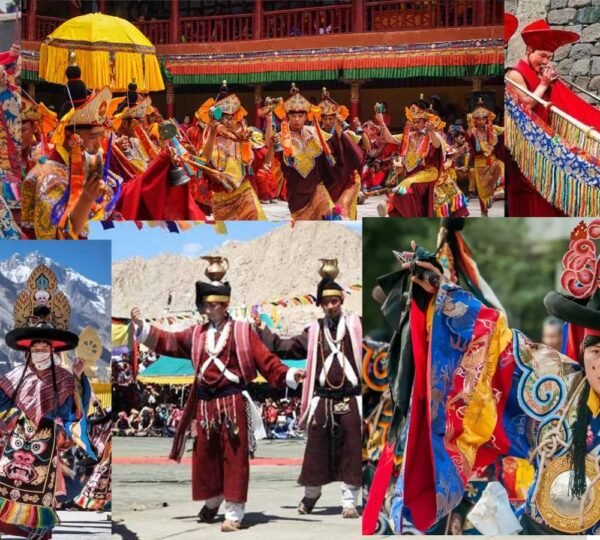
Ladakh Festivals & Ladakhi Culture – What Travellers Should Know Before Visiting
Quick Answer The best time to catch Ladakh’s festivals is late June to mid-September. Hemis Tsechu (June–July) is the biggest, and the Ladakh Festival in

Manali Sightseeing – Rohtang Pass, Atal Tunnel, Solang and Shinku La Compared
Quick Answer Pick Solang Valley for easy adventure and snow (about 14 km from Manali, no permit), the Atal Tunnel for Lahaul scenery and a

Best Honeymoon Places in Himachal Pradesh: 10 Romantic Spots Worth the Trip
Quick Answer The best honeymoon places in Himachal Pradesh are Manali, Shimla, Dalhousie, Dharamshala, Kasol, Naggar, Khajjiar, Chail, Palampur and Spiti Valley. Manali suits most