
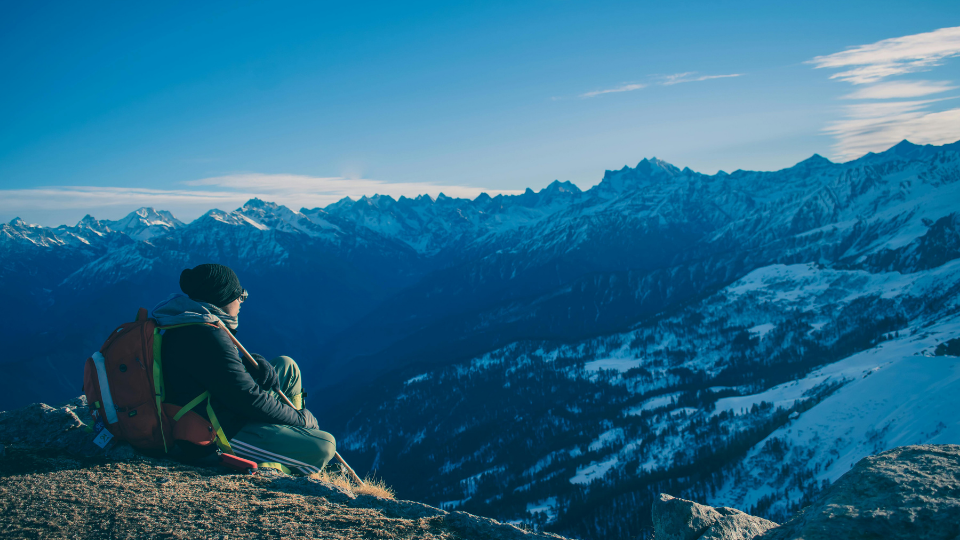
Planning a trip to Leh Ladakh and wondering when to go? Ladakh sits at an average altitude of 3,500 metres above sea level and functions as a high-altitude cold desert, with weather patterns that shift dramatically from one month to the next. Getting the timing right directly affects which roads are open, which attractions you can reach, and how much you enjoy every day of your trip.
This complete guide breaks down Ladakh’s climate season by season so you can choose the perfect window and make every moment count.
Why the Right Season Makes or Breaks Your Ladakh Trip
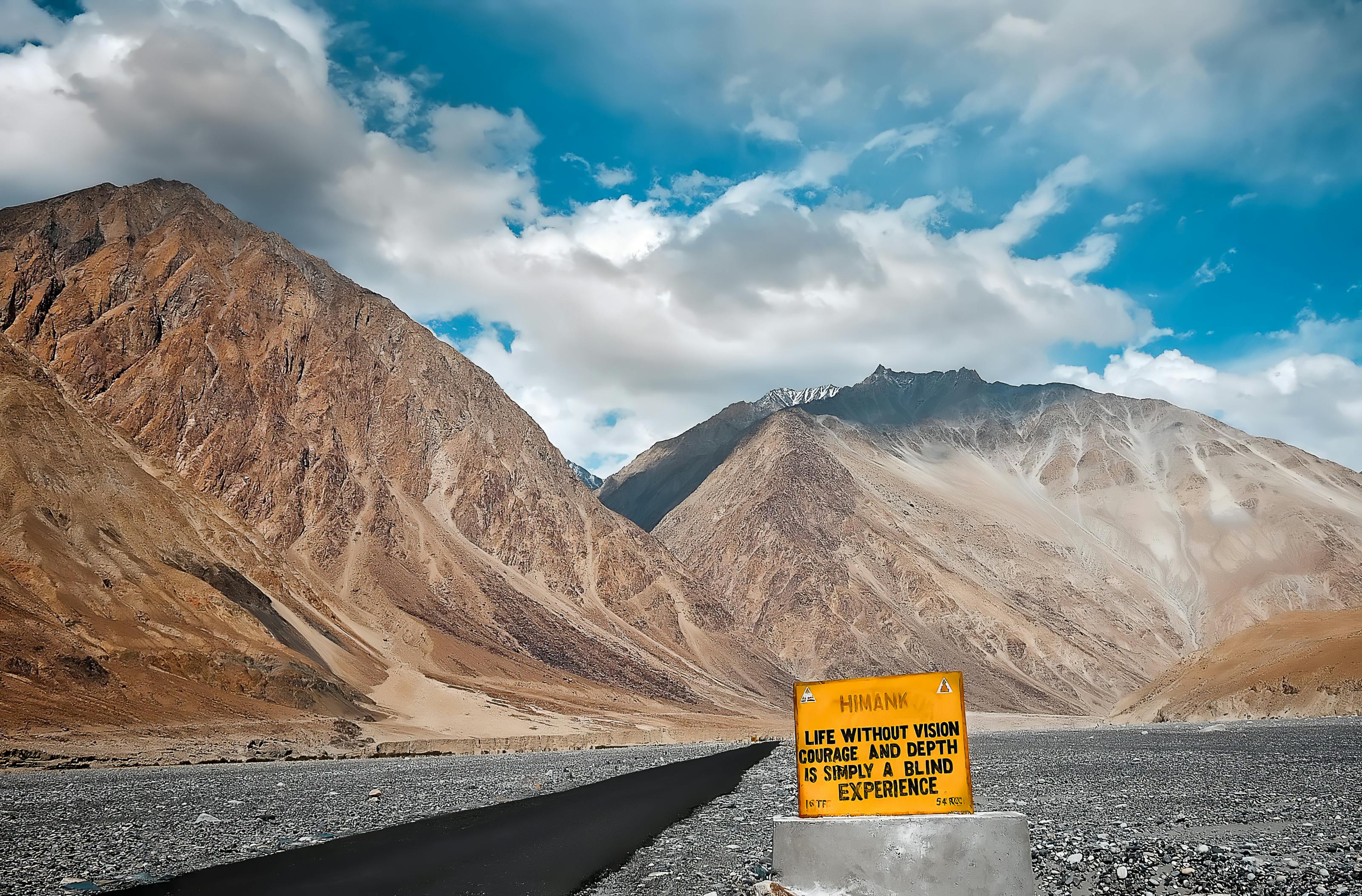
Ladakh’s extreme geography means that iconic mountain passes like Khardung La and Chang La can remain buried under heavy snow for months. During those periods, road access to major destinations like Pangong Lake, Nubra Valley, and Tso Moriri becomes impossible. Visiting at the wrong time could mean arriving in Leh only to find that most of what you travelled for is out of reach.
Arriving during the right window means open roads, clear skies, comfortable temperatures, and the full Ladakh experience, from camel rides in Hunder to sunrise over Pangong’s cobalt waters. That is why understanding the best time to visit Ladakh is the very first step in planning a successful trip.
Month-by-Month Guide to Ladakh’s Weather and Climate
Ladakh Travel Overview by Month
| Month | Temperature Range | Road Accessibility | Crowd Level |
| January | -20°C to -5°C | Closed; Manali–Leh and most internal routes are inaccessible | Very Low |
| February | -20°C to -5°C | Closed; only limited local movement possible | Very Low |
| March | -15°C to 0°C | Mostly closed; gradual snow clearance begins | Very Low |
| April | -5°C to 10°C | Limited access; Leh and nearby monasteries open, highways still closed | Low |
| May | 5°C to 20°C | Partially open; Manali–Leh Highway opens gradually, and some areas become accessible | Low to Moderate |
| June | 15°C to 25°C | Fully open; all major highways and high-altitude passes accessible | Moderate to High |
| July | 20°C to 33°C | Fully open; occasional disruptions due to landslides on the Manali route | High |
| August | 20°C to 33°C | Fully open; possible weather-related delays due to light monsoon impact | High |
| September | 15°C to 25°C | Fully open; stable road conditions and clear weather | Moderate |
| October | 0°C to 15°C | Partially open; higher passes begin closing toward the end of the month | Low to Moderate |
| November | -10°C to 5°C | Closing phase; most highways shut, internal travel becomes restricted | Very Low |
| December | -20°C to -5°C | Closed; harsh winter conditions limit movement | Very Low |
May – The Season Quietly Wakes Up
May marks the start of the travel season. The Manali–Leh Highway typically reopens by late April or early May, and daytime temperatures in Leh hover between 15°C and 20°C. Pangong Lake and Nubra Valley gradually become accessible as the month progresses. If you prefer fewer crowds and want to experience Ladakh before the summer rush, May is a great choice.
June – One of the Best Times to Visit Leh Ladakh
June is when Ladakh truly comes alive. Both the Srinagar–Leh and Manali–Leh highways are fully operational, all high-altitude passes are open, and the weather settles into a bright, sunny rhythm with temperatures ranging from 20°C to 25°C. June is widely considered one of the best times to visit Leh Ladakh because every major attraction, including Magnetic Hill, Leh Palace, Nubra Valley, and Pangong Tso, is fully accessible. Families, honeymooners, solo travellers, and adventure seekers all find June exceptionally rewarding.
July and August – Peak Season, Peak Experience
July and August represent the heart of the Ladakh travel season. Daytime temperatures in Leh climb to between 25°C and 33°C, making outdoor exploration and trekking thoroughly enjoyable. Adventure sports like white-water rafting on the Zanskar and Indus rivers are in full swing, and camel safaris in Nubra Valley’s sand dunes are a daily delight. For travellers who want an action-packed experience, these are undeniably the best months to visit Ladakh.
It is worth noting that July and August can occasionally bring light rainfall as the monsoon fringes reach the region, sometimes triggering landslides on the Manali–Leh Highway. Travelling with an experienced operator, whose local experts monitor road conditions actively, ensures your journey stays safe.
September – The Underrated Sweet Spot
September is one of the most rewarding yet underrated times to visit Ladakh. The peak-season rush begins to ease, crowds thin out, and the landscape transitions into warm golden and amber tones as autumn approaches. Daytime temperatures remain comfortable at 15°C to 25°C, and all major roads and passes are still fully accessible. This is also the season of the Hemis Festival and other cultural celebrations, offering a genuine window into Ladakh’s rich Buddhist traditions. For couples, photographers, and those who love exploring without the pressure of peak-season pricing, September is simply outstanding.
October – A Photographer’s Paradise
October is the closing chapter of the Ladakh travel season, and it belongs entirely to those who love drama and solitude. Nights drop below 0°C, snow begins to dust the higher passes, and some roads may start closing toward the month-end. But the reward is extraordinary, skies are achingly clear, Pangong Lake begins to freeze beautifully at its edges, and the valley glows in shades of rust, ochre, and deep blue. Well-prepared travellers will find October one of the most visually spectacular times to visit Ladakh.
November to March – Deep Winter
Winter in Ladakh is not for the average traveller. Temperatures plummet to -20°C or lower, the Manali–Leh Highway closes, and most popular attractions become unreachable. The one exception is the legendary Chadar Trek, a once-in-a-lifetime winter trek along the frozen Zanskar River in January and February. This is a bucket-list experience for hardcore adventurers, but general tourism during winter is not recommended.
April – A Cultural Prelude
April is a shoulder month where Leh city itself, and its stunning monasteries like Thiksey, Hemis, and Shey, can be explored peacefully with minimal crowds. However, most high-altitude routes remain inaccessible, so April suits travellers focused on monastery circuits and local culture rather than the full Ladakh experience.
Best Time to Visit Ladakh Based on Your Travel Style
For Families and First-Time Visitors
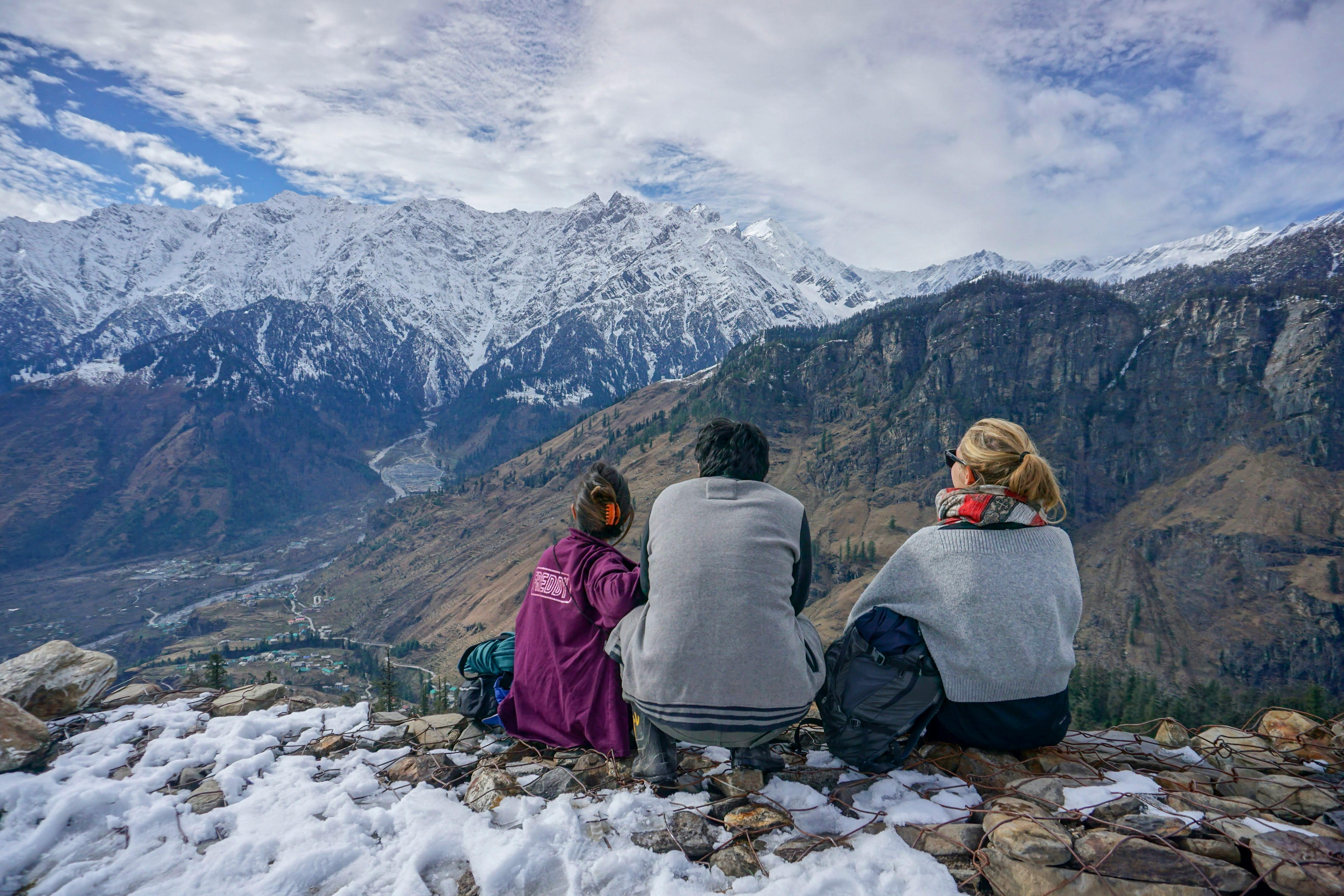
June through August is your safest and most comfortable travel window. All major attractions are accessible, the weather is predictable, and the roads are at their best. Royal Rover Holiday’s Leh Ladakh packages, starting from just ₹14,999, range from a quick 2-night leisure escape to a comprehensive 10-night full expedition, all inclusive of private vehicles, handpicked hotels, and daily meals.
For Couples and Honeymooners
September is the most romantic time to visit Ladakh, which means quieter roads, golden landscapes, and brilliant starlit skies over Pangong Lake. Packages like the Nubra and Pangong Lake Tour and the Nubra Turtuk and Pangong Lake Tour are crafted specifically for couples seeking an intimate and unforgettable Himalayan escape.
For Adventure Seekers
June through August is when trekking in Markha Valley, motorbiking across Khardung La, and rafting on the Zanskar are all available at their finest. The Adventurous Ladakh and Thrilling Ladakh packages are built for travellers who want more than just sightseeing on their Himalayan journey.
For Solo Travellers and Photographers
May and September offer the best combination of manageable weather, smaller crowds, and exceptional natural light. With our fully customisable solo adventure options, you can set your own pace and explore offbeat destinations like Tso Moriri and Hanle on your own terms.
Essential Tips Before You Head to Ladakh
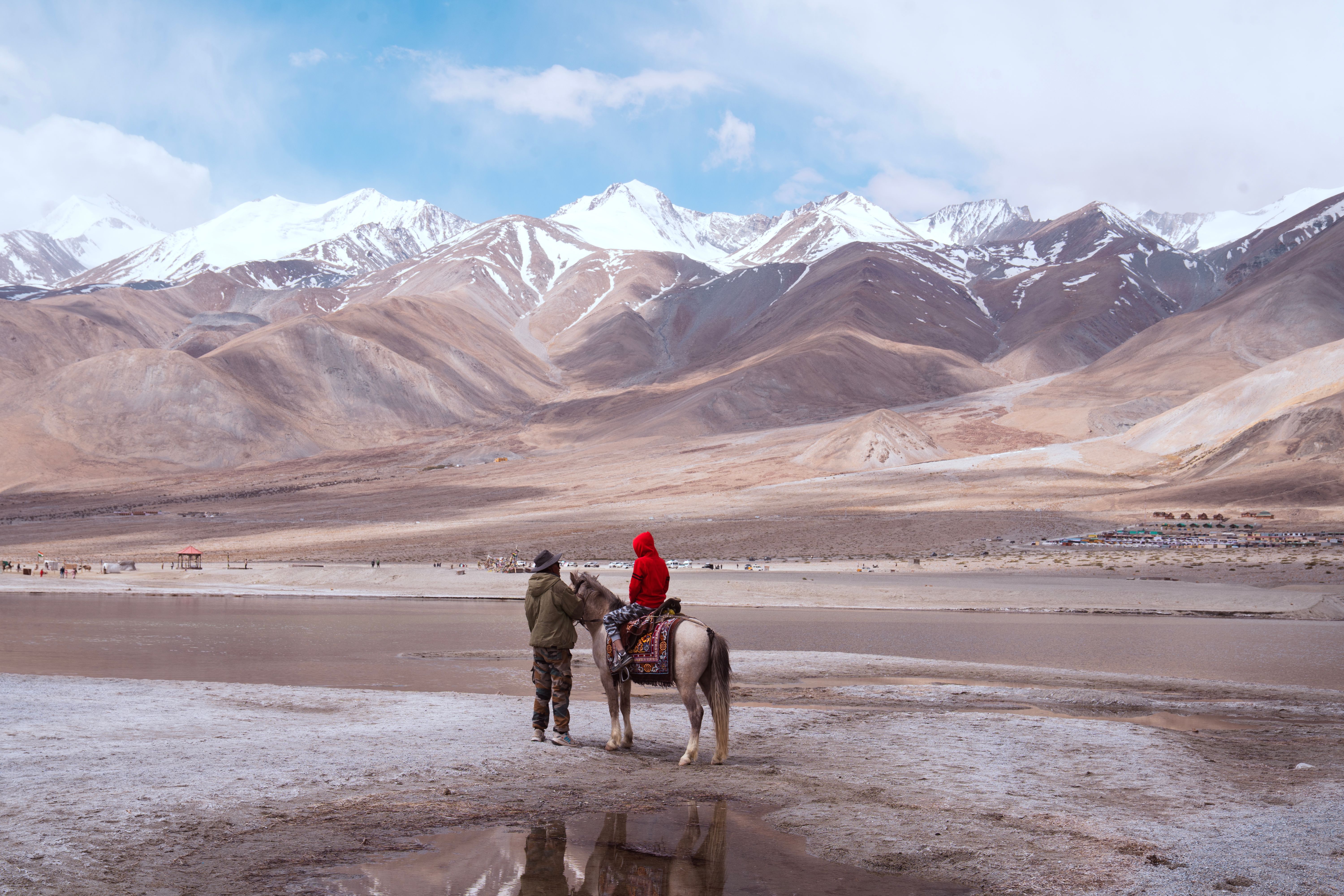
Always plan at least one full rest day in Leh on arrival to acclimatise before heading to higher-altitude destinations. Altitude sickness is a real concern at 3,500 metres. Pack warm layers regardless of the season, as nights are cold even in peak summer. Carry high-SPF sunscreen and quality sunglasses, as UV intensity at high altitude is significantly stronger than at sea level. Plan your fuel stops carefully, as petrol pumps are limited beyond Leh, especially on routes to Pangong, Nubra, and Tso Moriri, starting with a full tank or carrying extra fuel can save you from serious trouble. Connectivity is unreliable in most regions, so download offline maps in advance and carry sufficient cash since ATMs are scarce and often non-functional. Make sure you arrange your Inner Line Permits beforehand and keep multiple printed copies for checkpoints.
If you are travelling between June and September, book your Ladakh trip early. Hotels near Pangong Lake and in Nubra Valley fill up fast during peak season, and advance booking ensures better accommodation and more flexible itinerary options.
Plan Your Ladakh Trip with Royal Rover Holiday
Royal Rover Holiday is a government-recognised travel company offering carefully designed Leh Ladakh packages that handle every detail, including Inner Line Permits, hotel bookings, private vehicles, airport transfers, and daily meals. Whether you are drawn to the turquoise stillness of Pangong Tso, the rolling dunes of Nubra Valley, the spiritual calm of Ladakh’s monasteries, or the remote beauty of Tso Moriri and Hanle, there is a package built for your travel style and budget.
Additional services, including flight booking, railway ticket booking, car and coach rental, hotel booking, and travel insurance, make us your complete one-stop travel partner for your journey.
Now that you know the best time to visit Leh Ladakh, start planning today. Browse all Leh Ladakh packages at royalroverholiday.com/leh-ladakh-packages, or connect at +91-9805252033 or enquiry@royalroverholiday.com. Your Himalayan adventure is closer than you think.
Frequently Asked Questions
Q1. What is the best time to visit Leh Ladakh overall?
The best time to visit Leh Ladakh is between June and September. During these months, all major highways and high-altitude passes are open, the weather is comfortable, and every key attraction is fully accessible. June and September are particularly popular for travellers who want great conditions without the intense peak-season rush.
Q2. Can I visit Ladakh in winter?
Ladakh in winter is extremely challenging for regular tourism. From November to March, most roads close and temperatures drop as low as -20°C. The Chadar Trek on the frozen Zanskar River remains a draw for experienced adventurers, but it is not suitable for general sightseeing or family travel.
Q3. Is October a good time to visit Ladakh?
Yes, for well-prepared and experienced travellers, October offers stunning clear skies, fewer crowds, and the breathtaking sight of Pangong Lake beginning to freeze. Some passes may close toward the end of the month, so it is important to confirm road conditions before travelling.

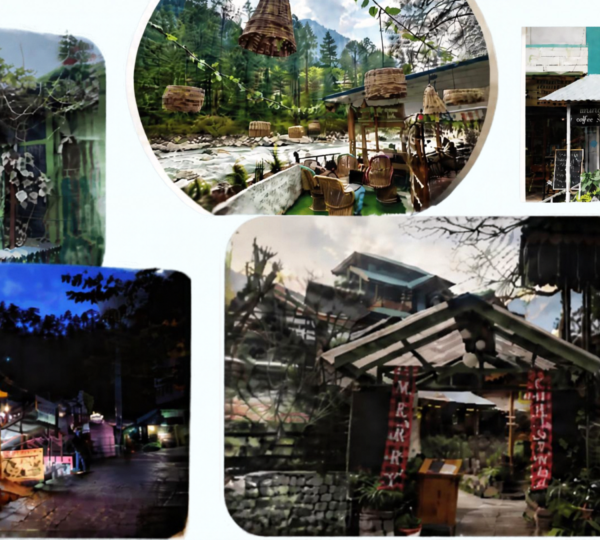
Hidden Cafes and Local Hangouts – Where Locals Actually Go in Manali & Kasol
Quick Answer Old Manali and Kasol are full of cafes built for Instagram, but the ones locals actually return to are quieter and often unmarked
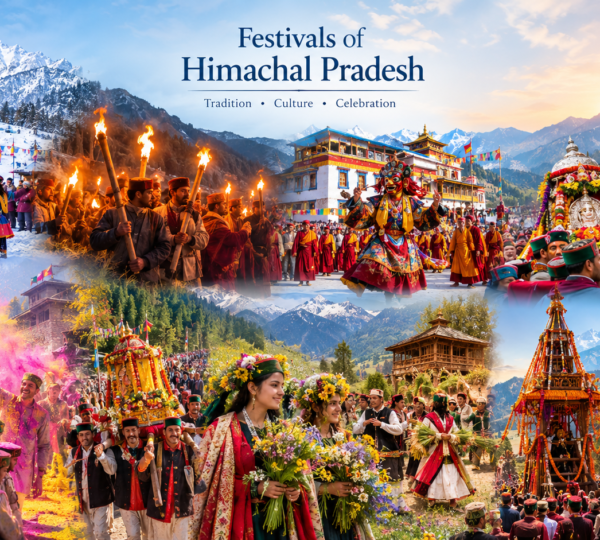
Local Festivals of Himachal Pradesh – When to Visit for a Cultural Experience
Quick Answer Himachal Pradesh’s festival calendar runs almost year-round, with the biggest cultural draws being Kullu Dussehra (October), Losar in Lahaul-Spiti (January-February), Mandi Shivratri (February),
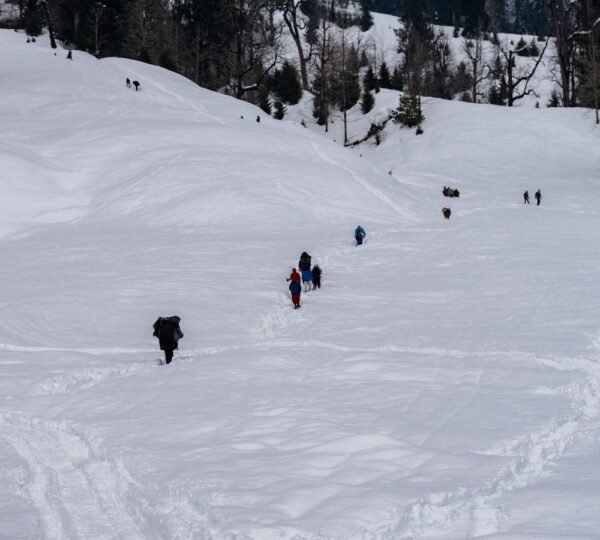
Things to Do in Manali – Complete Guide to Sightseeing, Adventure & Nightlife
Quick Answer Manali offers a mix of easy sightseeing (Hidimba Temple, Old Manali, Solang Valley), high-altitude adventure (Rohtang Pass, Atal Tunnel, paragliding, river rafting), and