
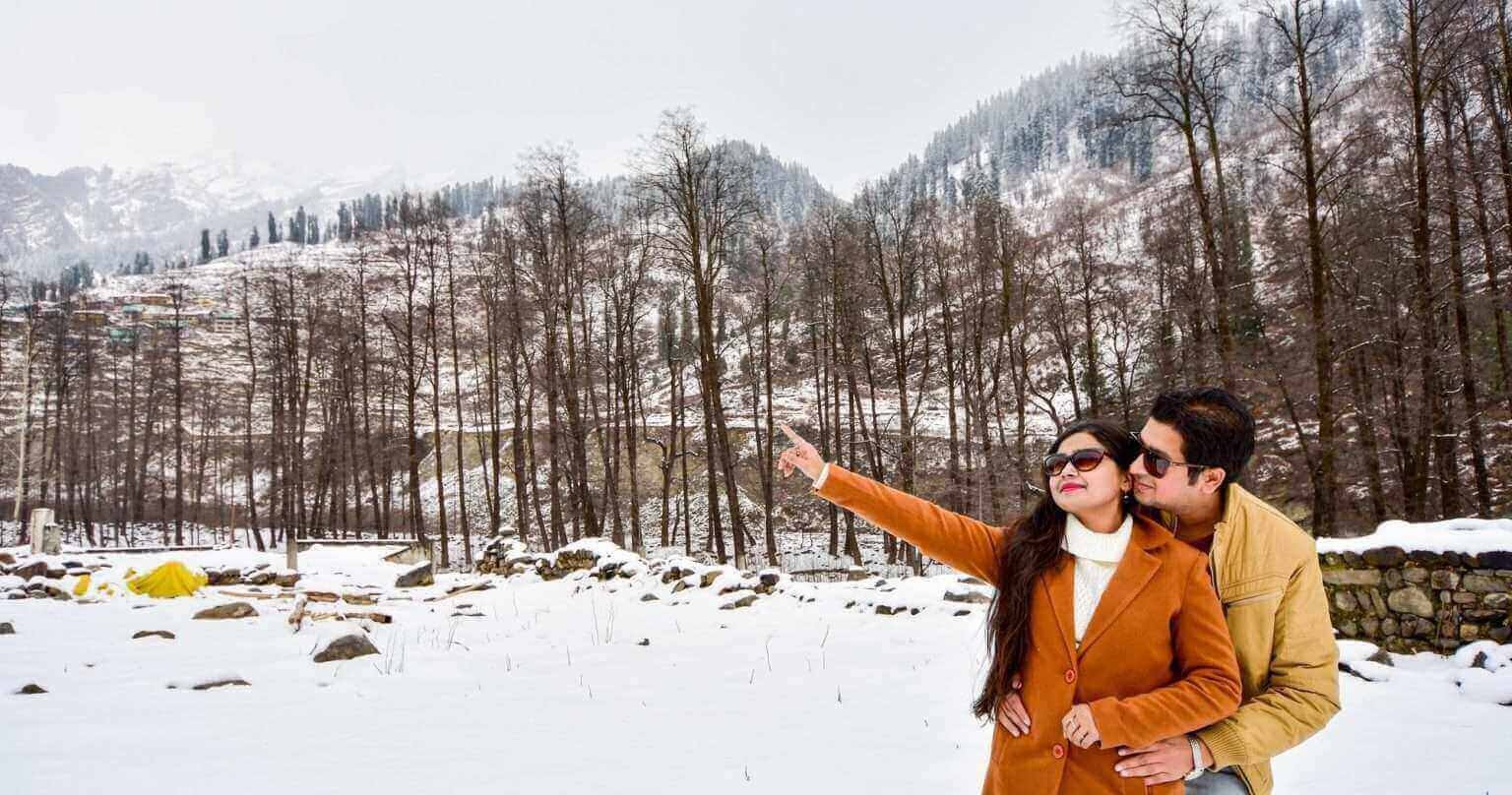
When is the best time to visit Shimla?
Quick Answer
March to June is the best time to visit Shimla for pleasant weather and clear sightseeing, with temperatures ranging from 15-25°C. If you’re chasing snowfall, plan for late December through February, though Shimla town itself doesn’t always get heavy snow — nearby Kufri and Narkanda are more reliable bets. September to November offers a quieter, clear-skied alternative with fewer crowds. Avoid July-August unless you don’t mind rain and occasional landslide-related delays on hill roads.
Introduction
Shimla is one of those hill stations that genuinely works in almost every season, which is exactly why “when should I visit” is one of the most common questions we get. The honest answer depends on what you actually want from the trip — sightseeing and pleasant walks, snowfall and winter sports, or a quiet, uncrowded version of the town most tourists never see. This guide breaks Shimla’s weather down month by month so you can match your trip to the right season instead of guessing.
Shimla Weather: Month-by-Month Guide
Month | Avg. Temperature | Conditions | Good For |
January | -2°C to 11°C | Coldest month, frequent snowfall | Snow lovers, winter photography |
February | 0°C to 13°C | Last reliable month for snow | Snow activities, fewer crowds than Jan |
March | 4°C to 18°C | Snow melts, spring begins | Sightseeing without peak crowds |
April-May | 10°C to 25°C | Warm days, cool evenings | Family trips, outdoor activities |
June | 15°C to 28°C | Warmest month before monsoon | Peak season, all attractions open |
July-August | 15°C to 24°C | Monsoon, heavy rainfall | Not recommended for road trips |
September | 13°C to 22°C | Rain tapers off, skies clear | Quiet sightseeing, good visibility |
October-November | 6°C to 20°C | Cool, dry, clear skies | Best combination of weather and low crowds |
December | -1°C to 10°C | Winter begins, snow possible after mid-month | Christmas/New Year tourism, early snow chances |
Best Time for Sightseeing: March to June
If your priority is comfortable walking weather, clear mountain views, and every attraction open and accessible, March to June is Shimla’s most reliable window. Mall Road, Jakhoo Temple, Christ Church, and the Kalka-Shimla toy train are all easiest to enjoy in this stretch, since roads are dry and daytime temperatures stay in a comfortable range. This is also peak season, so hotel prices run higher and Mall Road can get genuinely crowded in May-June, particularly during Indian school summer vacations.
EXPERT TIP:
If you want the same pleasant weather with noticeably fewer crowds, aim for the first half of March or the last week of June, just before and after the peak rush.
Best Time for Snowfall: Late December to February
Shimla’s winter charm is real, but it comes with a caveat most travel guides skip: Shimla town itself doesn’t always get heavy, reliable snowfall every year. Snow tends to arrive after mid-December, with January being the most consistent month for accumulation, and February often marking the last real snow window before spring sets in. If snow is genuinely the goal of your trip rather than just a possibility, nearby Kufri and Narkanda — both a short drive from Shimla — tend to receive heavier and more consistent snowfall than the main town itself.
EXPERT TIP:
Don’t build your entire itinerary around snow in Shimla town alone. Plan a day trip to Kufri or Narkanda as a backup, so the trip isn’t dependent on one location’s snowfall.
Winter also brings the Shimla Winter Carnival, typically held in late December to early January, with ice skating, cultural performances, and local food stalls adding a festive layer to a winter visit.
The Quiet Alternative: September to November
This is the window we’d recommend to travelers who’ve already done a “typical” Shimla trip or simply want to avoid crowds without dealing with winter cold. Monsoon rain tapers off by mid-September, skies clear up noticeably, and temperatures stay comfortable for walking without summer’s peak-season rush. Hotel rates are also generally more reasonable in this window compared to March-June or the December snow season.
Why You Should Avoid July-August
Monsoon hits Shimla hard, with August alone seeing significantly higher rainfall than any other month. Beyond just wet weather, this is also when hill roads connecting Shimla to Manali or Chandigarh are most prone to landslides and temporary closures. Unless you’re specifically drawn to monsoon-green landscapes and don’t mind unpredictable travel delays, it’s worth avoiding this window, especially if your itinerary depends on tight day-to-day timing.
Best Time to Visit Shimla by Traveler Type
- Families with school-age kids: April-June lines up with Indian summer vacations and offers the most reliable weather for outdoor sightseeing.
- Honeymooners: December-January for the romantic snow experience, or March for pleasant weather without peak crowds.
- Budget travelers: September-November offers the best combination of good weather and lower hotel rates.
- Snow-chasers: January is the single most reliable month, with Kufri and Narkanda as backup options if Shimla town itself stays dry.
Planning Your Shimla Trip
A well-timed Shimla trip makes a bigger difference than most people expect — the same itinerary can feel completely different depending on whether you hit clear skies or a monsoon delay. If you’re working with a tighter budget, our guide to affordable Shimla tour packages breaks down how to plan a good trip without overspending. Most travelers also combine Shimla with Manali for a fuller Himachal experience; our Shimla-Manali tour package from Delhi and the shorter Shimla-Manali package from Chandigarh are both built around the ideal March-June and September-November windows covered above.
Before finalizing travel dates, especially if Manali is part of your plan, it’s worth checking our Shimla-Manali road conditions and safety guide, since road access between the two can shift with season. And if you want a fuller picture of what to actually do once you’re there, our roundup of the best tourist spots in Shimla and Manali covers the sightseeing side in more detail. For those wanting to extend the trip further, our complete Himachal tour package from Delhi covers a longer circuit beyond just Shimla.
Frequently Asked Questions
What is the best month to visit Shimla for snowfall?
January is the most reliable month for snowfall in Shimla, though nearby Kufri and Narkanda often see heavier, more consistent snow than the main town.
Is Shimla good to visit in summer?
Yes, April to June is Shimla’s peak season, offering pleasant temperatures between 15-28°C and clear conditions for sightseeing, though it’s also the most crowded window.
Should I avoid Shimla during monsoon?
It’s generally best avoided from July to August, since heavy rainfall increases the risk of landslides and road delays on routes connecting Shimla to Manali or Chandigarh.
Is October a good time to visit Shimla?
Yes, October offers cool, clear weather with fewer crowds than peak summer, making it one of the most underrated windows for a Shimla trip.
Does Shimla town always get snow in winter?
Not every year, and not always heavily. Snow is more consistent after mid-December through February, but nearby Kufri and Narkanda typically receive more reliable snowfall than Shimla town itself.
Conclusion
There’s no single “best” time to visit Shimla — only the best time for what you’re looking for. March to June delivers the most dependable sightseeing weather, late December to February is your best shot at snow (with Kufri and Narkanda as reliable backups), and September to November offers a quieter, clearer alternative that’s often overlooked. Whatever window you choose, timing your trip around the right season, rather than just picking dates that are convenient, makes a real difference in how the trip actually feels.
Ready to plan your Shimla trip around the right season? Let our team help you pick dates that match what you’re looking for.
Recent Posts
Best Honeymoon Places in Himachal Pradesh: 10 Romantic Spots Worth the Trip
Rohtang Pass or Atal Tunnel – What Your Shimla Manali Package Actually Includes
How to Plan a Himachal Pradesh Trip – Best Time, Days Needed, Top Places and What a Full Package Covers
Hidden Cafes and Local Hangouts – Where Locals Actually Go in Manali & Kasol
Local Festivals of Himachal Pradesh – When to Visit for a Cultural Experience
Things to Do in Manali – Complete Guide to Sightseeing, Adventure & Nightlife
9 Weekend Trips from Chandigarh Under 6 Hours, Ranked by Actual Drive Time
Chandigarh to Manali by Road in 2026: Real Drive Times, Four-Lane Status and Where to Stop
5-Day vs 7-Day vs 10-Day Himachal Itinerary: Which One Fits Your Time & Budget
Himachal Tour Package Price Guide 2026 – What Actually Determines the Final Cost

ABOUT THE AUTHOR
CEO, Royal Rover Holiday | Himachal Pradesh Travel Expert
I am a local travel guide and travel professional with first-hand, ground-level experience across Himachal Pradesh. Through my work with Royal Rover Holiday, I share practical insights into local destinations, routes, seasonal travel conditions, sightseeing spots, and trip planning.
My goal is to help travellers explore Himachal Pradesh with reliable, experience-based information so they can make informed decisions and plan safe, comfortable, and memorable holidays. I focus on providing genuine local knowledge and practical travel guidance that goes beyond the usual tourist information.
Related Posts

Best Honeymoon Places in Himachal Pradesh: 10 Romantic Spots Worth the Trip
Quick Answer The best honeymoon places in Himachal Pradesh are Manali, Shimla, Dalhousie, Dharamshala, Kasol, Naggar, Khajjiar, Chail, Palampur and Spiti Valley. Manali suits most
Rohtang Pass or Atal Tunnel – What Your Shimla Manali Package Actually Includes
Quick Answer Rohtang Pass and the Atal Tunnel are two different places and two different days out. Rohtang sits at 3,978 m, needs a Rs
How to Plan a Himachal Pradesh Trip – Best Time, Days Needed, Top Places and What a Full Package Covers
Quick Answer Himachal is not one destination. It is four separate circuits that do not connect neatly, and choosing the wrong combination is how people